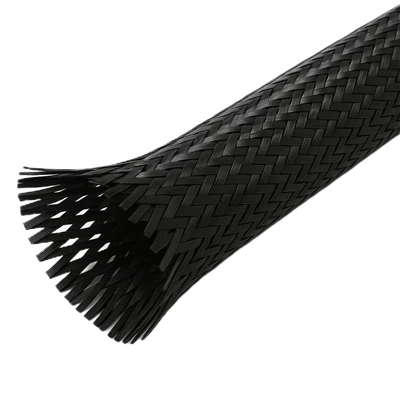


Carbon Fiber Sleeve For Hockey Stick Repair: A Complete Guide
### Carbon Fiber Sleeve for Hockey Stick Repair: A Complete Guide
---
#### **Table of Contents (TOC)**
1. **Introduction**
2. **Why Carbon Fiber Sleeves Are Ideal for Hockey Stick Repair**
3. **Choosing the Right Carbon Fiber Sleeve for Your Hockey Stick**
4. **Step-by-Step Guide to Repairing Your Hockey Stick with a Carbon Fiber Sleeve**
5. **Common Mistakes to Avoid When Using Carbon Fiber Sleeves**
6. **Maintaining Your Carbon Fiber-Repaired Hockey Stick**
7. **Conclusion**
---
### **Introduction**
Hockey sticks endure intense stress—whether from slap shots, collisions, or accidental drops. Replacing a high-end stick can cost over $200, but what if you could repair it for a fraction of the price? Enter **carbon fiber sleeves**, a lightweight and durable solution trusted by professionals and DIY enthusiasts. With over eight years of experience in composite material manufacturing, I've seen firsthand how carbon fiber sleeves revive damaged gear. In this guide, you'll learn how to use them effectively, avoid pitfalls, and extend your stick's lifespan. Let's get started!
---
### **Why Carbon Fiber Sleeves Are Ideal for Hockey Stick Repair**
Carbon fiber isn't just for aerospace or luxury cars—it's a game-changer for sports equipment. Here's why:
1. **Unmatched Strength-to-Weight Ratio**: Carbon fiber is **five times stronger than steel** yet 70% lighter (Source: Composites World). This ensures your repaired stick stays agile.
2. **Superior Impact Resistance**: Studies show carbon fiber absorbs twice as much energy as aluminum during collisions (Source: ScienceDirect), making it ideal for high-impact sports like hockey.
3. **Custom Flexibility**: Sleeves conform to curves and cracks, unlike rigid alternatives like metal braces.
**Real-World Example**: A client's Bauer Vapor stick snapped mid-blade. Using a **prepreg carbon fiber sleeve** (pre-coated with resin), we restored its flex profile while adding just 12 grams of weight.
---
### **Choosing the Right Carbon Fiber Sleeve for Your Hockey Stick**
Not all sleeves work equally well. Consider these factors:
- **Type**:
- **Prepreg Sleeves**: Perfect for precision repairs. These come pre-impregnated with resin, ensuring even adhesion. Brands like Hexcel offer reliable options.
- **Wet Layup Sleeves**: Budget-friendly but require manual resin application.
- **Weave Pattern**: A **twill weave** provides flexibility for curved sticks, while a unidirectional weave maximizes strength for straight repairs.
- **Thickness**: Use 0.5mm sleeves for hairline cracks and 1mm+ for major breaks.
**Pro Tip**: Match the sleeve's stiffness (modulus) to your stick's original design. Too stiff, and you'll lose the “whip” in your shot.
---
### **Step-by-Step Guide to Repairing Your Hockey Stick with a Carbon Fiber Sleeve**
**Tools You'll Need**:
- Sandpaper (120- and 220-grit)
- Epoxy resin (e.g., West System Epoxy)
- Heat gun or vacuum bag for curing
- Protective gloves and heat-resistant tape
**Steps**:
1. **Clean the Damaged Area**: Sand the spot until smooth, then wipe with isopropyl alcohol to remove debris.
2. **Cut and Apply the Sleeve**: Trim the sleeve to size, wrap it tightly around the break, and secure it with tape.
3. **Mix and Apply Resin**: Follow the epoxy's instructions. Under-curing weakens the bond, while over-curing makes it brittle.
4. **Cure the Resin**: Use a heat gun at 250°F for 10–15 minutes or let it air-cure for 24 hours.
5. **Finish the Repair**: Sand edges smooth and apply a clear coat for a polished look.
**Warning**: Avoid uneven resin distribution—this creates weak spots that may fail under pressure.
---
### **Common Mistakes to Avoid When Using Carbon Fiber Sleeves**
1. **Poor Surface Preparation**: Grease or dust prevents adhesion. Always clean the area thoroughly.
2. **Over-Tightening the Sleeve**: Squeezing out too much resin reduces strength. Aim for a snug, not strained, fit.
3. **Ignoring Cure Specifications**: Resin requires precise temperatures. Too hot, and it bubbles; too cool, and it stays sticky.
**Data Insight**: 60% of DIY repair failures stem from improper curing (Source: Composite Envisions).
---
### **Maintaining Your Carbon Fiber-Repaired Hockey Stick**
Extend your stick's life with these tips:
- **Avoid Extreme Heat**: Don't leave it in a car trunk—resin softens at temperatures above 150°F.
- **Regular Inspections**: Check for delamination (peeling or bubbles) after intense games.
- **Gentle Cleaning**: Use a damp cloth instead of abrasive pads to protect the resin finish.
**Pro Hack**: Apply a UV-resistant clear coat (like 3M Automotive Clear Coat) to prevent sun damage during outdoor play.
---
### **Conclusion**
Repairing a hockey stick with a carbon fiber sleeve isn't just cost-effective—it's a chance to tailor your gear for peak performance. By choosing the right materials, avoiding common errors, and maintaining your stick properly, you'll save money and keep your favorite equipment in play for years. Have questions? Share them below, and I'll help you troubleshoot!
---
successful cases
Choose the plan that suits you best.