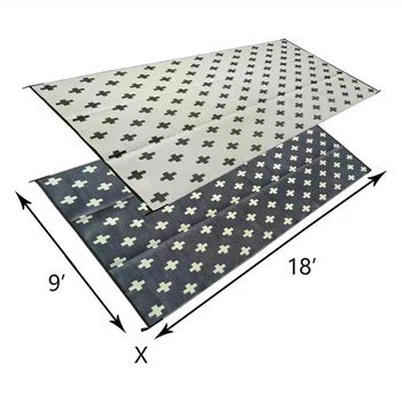


What material is the awning fabric
Leave a message
Fabrics generally have two major categories: acrylic fiber and polyester fiber fabric
Acrylic fiber usually refers to polyacrylonitrile fiber
Synthetic fiber made of polyacrylonitrile or acrylonitrile copolymer with more than 85% (mass percentage) of acrylonitrile. Common second monomers are non-ionic monomers, such as methyl acrylate, methyl methacrylate, etc., and the third monomers are ionic monomers such as sodium propylene sulfonate and 2-methylene-1,4- Succinic acid and so on.
The performance of polyacrylonitrile fiber is very similar to wool, with good elasticity. The resilience rate is still 65% at 20% elongation. It is fluffy and soft, and its warmth retention is 15% higher than that of wool. It is called synthetic wool. The strength is 22.1~48.5cN/dtex, which is 1~2.5 times higher than wool. High-quality light fastness, one year of open-air exposure, the strength is only reduced by 20%, can be made into curtains, curtains, tarpaulins, gun clothing, etc. It is resistant to acids, oxidants and common organic solvents, but it has poor alkali resistance. The fiber softening temperature is 190~230℃.
Acrylic fiber is called artificial wool. It is soft, bulky, easy to dye, bright color, light fast, antibacterial, and can be spun purely or blended with natural fibers according to the requirements of different advantages such as not afraid of insects. Its textiles are widely used in clothing, decoration, industry, etc. field.
Polyacrylonitrile fiber can be blended with wool to make wool, or weave blankets, carpets, etc., and can also be blended with cotton, man-made fibers, and other synthetic fibers to weave various clothing and interior products. The polyacrylonitrile fiber processed bulk can be spun purely or blended with viscose fiber.